Liverpool’s season is rapidly unravelling, with results dipping, performances deteriorating, and growing unrest among supporters. Yet despite the mounting pressure, Arne Slot remains in the Anfield hot seat. The club’s reluctance to dismiss him has sparked intense debate, but sources close to the situation suggest there are deeper, less-visible factors shaping the board’s decision-making.
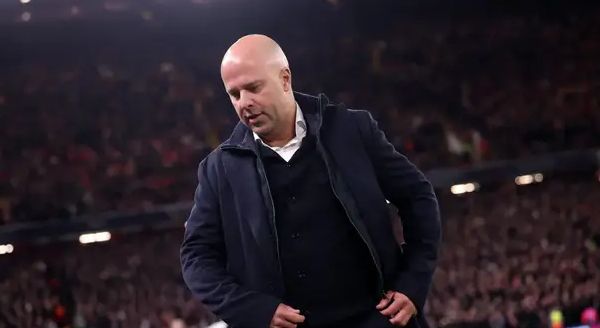
A new investigation sheds light on the five hidden reasons behind Liverpool’s continued backing of Slot — reasons that go far beyond the touchline. Together, they paint a more complicated picture of a club caught between long-term strategy and short-term chaos.
—
A Club in Decline — But a Manager Still Standing
Liverpool’s post-Klopp transition was never going to be simple, yet the scale of the decline has shocked even seasoned analysts. Defensive lapses, tactical inconsistency, and a seemingly fractured dressing room have left the club far from its previous title-challenging standards.
Supporters expected the board to take decisive action. Instead, FSG have doubled down on their commitment to Slot, insisting that the Dutchman remains part of a broader plan. Behind the scenes, however, tensions are rising — and the situation is more fragile than it appears.
—
1. FSG’s Long-Term Strategy Takes Priority Over Short-Term Results
Liverpool’s owners are known for their preference for strategic continuity. According to club insiders, FSG views Slot not merely as a coach but as an investment in a long-term footballing model focused on data, youth development, and sustainable spending.
Sacking Slot mid-project would mean ripping up a tactical and recruitment blueprint that’s been in development since before Klopp’s exit. The board fears that another managerial reset could delay the club’s rebuild by years.
—
2. Financial Pressures Are Restricting Immediate Action
While Liverpool remain a commercial giant, the financial landscape behind the scenes is more delicate. A major compensation package, combined with the costs of bringing in a top-tier replacement and potential staff overhaul, would strain the club’s current budget.
Sources suggest that FSG are wary of triggering further financial instability during a period where revenue growth is under unusual pressure — from missed Champions League qualification to increased wage expenditure.
—
3. Dressing-Room Tensions Complicate the Decision
Reports from within the squad indicate a divided dressing room. Some senior players are said to support Slot’s philosophy, while others remain unconvinced. This split is making it difficult for the board to accurately judge where the true fault lies.
A managerial change could temporarily boost morale — or it could fracture the squad even further. With several key players already unsettled, FSG fear that a hasty decision could destabilise the team beyond repair.
—
4. Injuries Have Obscured the True Quality of the Squad
Liverpool’s injury list has reached crisis levels, and the club’s hierarchy believes that the current run of poor results cannot be fairly evaluated without considering the absences of multiple first-team regulars.
Privately, board members feel that Slot deserves the chance to work with a fully fit squad before any final judgement is made. They remain convinced that a clearer picture will emerge once key players return.
—
5. There Is No Clear Replacement — At Least Not Yet
The final and perhaps most decisive factor: Liverpool do not currently have a ready-made successor lined up. Several potential candidates are either unavailable, unwilling to join mid-season, or considered too risky.
FSG are determined not to repeat mistakes seen at other Premier League clubs — appointing a short-term manager for the sake of optics. Until a credible, long-term candidate is identified, Slot is likely to remain in charge.
—
How This Compares to the Klopp Era
The contrast with Jürgen Klopp’s tenure is stark. Klopp commanded unwavering trust from players, fans, and owners alike. Even during difficult spells — such as the injury-ravaged 2020–21 campaign — his authority was never questioned.
Slot, by comparison, is navigating a club still emotionally tied to its former manager, all while trying to implement a contradictory style. The shadow of Klopp looms large, and it has made Slot’s position even more precarious.
—
What Happens Next?
If results fail to improve, the pressure on Liverpool’s board will become unbearable. The club’s long-term vision may eventually clash with the reality of Premier League survival and Champions League ambitions.
For now, Slot remains in the dugout — protected by strategy, circumstance, and a lack of alternatives. But Anfield’s patience is wearing thin, and Liverpool’s season could soon reach a turning point from which there is no return.
As the crisis deepens, one question remains: How long can Liverpool continue down this path before decisive action becomes unavoidable?